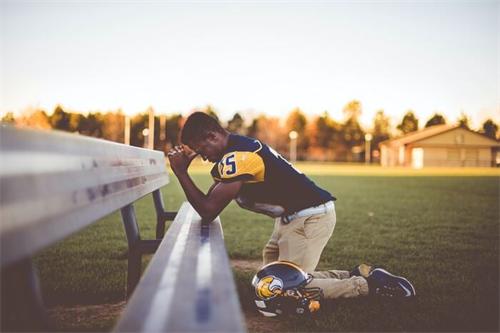

In the world of sports, endorsements have become a significant source of income for athletes, often surpassing their earnings from competitions. However, a glaring gender disparity exists in this realm, with male athletes consistently securing more lucrative and numerous endorsement deals compared to their female counterparts.
The Endorsement Landscape: A Gendered Perspective
Historically, male athletes have dominated the endorsement scene. Brands have often perceived male athletes as more marketable due to their visibility in major sports leagues and events. For instance, athletes like Michael Jordan, LeBron James, and Cristiano Ronaldo have secured multi-million dollar deals with global brands, setting a precedent for endorsement earnings.
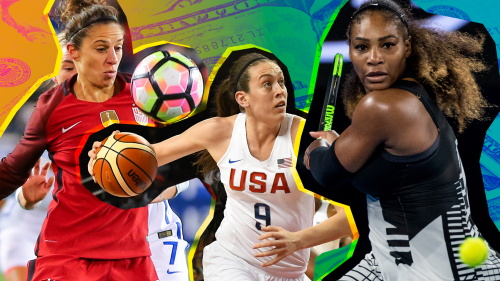
In contrast, female athletes have faced challenges in attracting similar endorsement opportunities. Despite their achievements and popularity, women in sports often receive less media coverage, leading to reduced visibility and, consequently, fewer endorsement deals. This disparity is evident when comparing the endorsement earnings of male and female athletes in the same sport.
Notable Examples of Gender Disparity in Endorsements
Serena Williams vs. Roger Federer
Serena Williams, one of the most accomplished tennis players in history, has secured endorsement deals with brands like Gatorade, Wilson, and Audemars Piguet. However, her total endorsement earnings have been reported to be significantly lower than those of male counterparts such as Roger Federer, who has secured deals with brands like Rolex, Uniqlo, and Wilson. This disparity highlights the gendered differences in endorsement opportunities within the same sport.
Caitlin Clark's Rise in Women's Basketball
Caitlin Clark, a standout player in women's college basketball, has made headlines not only for her on-court performances but also for her off-court earnings. In 2024, Clark's endorsement deals contributed to her ranking among the highest-paid female athletes, with significant partnerships with brands like Nike and Gatorade. Her success underscores the growing recognition of female athletes in the endorsement arena.
The Case of Coco Gauff
Coco Gauff, another tennis prodigy, has also garnered attention for her endorsement deals. In 2024, despite not winning a Grand Slam title, Gauff's off-court earnings surpassed $30 million, placing her among the top earners in women's sports. Her deals with brands like L'Oréal and Naked Juice reflect the increasing commercial value of female athletes.
Factors Influencing Endorsement Disparities
Media Coverage
Media plays a pivotal role in shaping public perception and, consequently, the marketability of athletes. Historically, women's sports have received less media coverage, leading to reduced visibility for female athletes. This lack of exposure translates to fewer endorsement opportunities.
Sponsorship Trends
Brands often target their sponsorships based on audience demographics and marketability. Male-dominated sports leagues have traditionally offered broader audiences, making them more attractive to sponsors. However, this trend is slowly changing as women's sports gain popularity and viewership.
Societal Perceptions
Societal perceptions and gender stereotypes have historically influenced the endorsement landscape. Certain sports and athletes are deemed more "marketable" based on traditional gender norms. Challenging these perceptions is crucial for achieving equity in athlete endorsements.
The Evolving Landscape: A Shift Towards Equity
Recent years have witnessed a shift towards greater equity in athlete endorsements. Brands are increasingly recognizing the value of female athletes and are investing in their visibility. For example, companies like Nike and Adidas have launched campaigns featuring female athletes, promoting gender equality and inclusivity.
Moreover, the rise of social media platforms has provided female athletes with direct channels to engage with their audiences, bypassing traditional media gatekeepers. This direct engagement has allowed athletes like Naomi Osaka and Simone Biles to build personal brands that attract endorsement deals.
Conclusion
The endorsement landscape in sports has historically favored male athletes, but the tide is gradually changing. While challenges remain, the increasing recognition of female athletes' value presents opportunities for brands to invest in diverse and inclusive partnerships. By promoting gender equity in endorsements, the sports industry can pave the way for a more inclusive and representative future.
Recommend:
Athlete as CEO: Cristiano Ronaldo’s Playbook for Self-Sustaining Success

Gold, Glory, and Global Recognition: The Olympic Fame Effect

The Star Effect: Mikaela Shiffrin’s Role in Popularizing Competitive Skiing

Who Gets the Spotlight? Gender Differences in Athlete Endorsements