
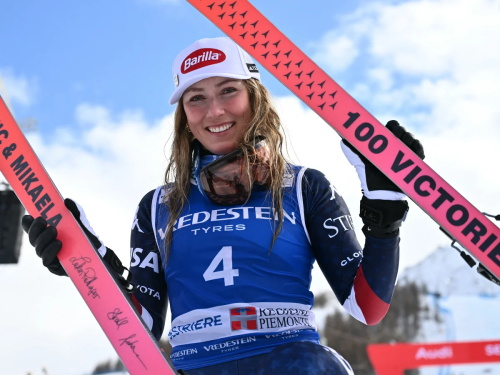
Mikaela Shiffrin’s name is now shorthand for excellence in alpine skiing — not just within the sport’s insulated world of mountain towns and snow-hungry fans, but on the broader sports stage where household names change how people think about which sports are “mainstream.” Her rise and continued dominance offer a clear case study in how a single athlete can broaden the appeal of a niche discipline, convert casual curiosity into viewership, and — crucially — open doors to participation for future generations.
On paper, Shiffrin’s credentials are simple and staggering: she has repeatedly rewritten the record books, becoming the first skier to reach an unprecedented number of World Cup victories. That milestone pushed her from national star to global sporting figure, a moment covered widely across mainstream outlets and sports pages.
But numbers alone don’t explain the “star effect.” Shiffrin’s influence rests on three interlocking strengths: elite performance, relatable narrative, and active stewardship. First, performance creates the headline. Consistent victories, championship medals, and seasons spent at the very top of the standings make television editors and publishers pay attention. When she wins, the result isn’t confined to specialist ski feeds — it moves into general sports rounds, social feeds, and highlight reels, exposing the sport to viewers who might only marginally care about winter sports.
Second, Shiffrin tells a story people understand. Her trajectory — prodigious talent, rigorous dedication, public struggles with injury and mental pressure, and resilient comebacks — reads like modern sports drama. Audiences today respond to athletes who show vulnerability as well as skill. When she spoke openly about the physical and psychological hurdles after a serious crash, it humanized a high-speed, high-risk sport and made ordinary people root for her beyond the medal count. That coverage, beyond celebrating victory, creates empathy and curiosity about skiing itself.
Third, she leverages visibility into access. Star athletes who invest in grassroots or charity efforts close the loop between spectacle and participation. Shiffrin’s collaborations to widen youth access to winter sports are precisely the kind of move that converts awareness into opportunity: kids who see her on TV — then learn there’s a program or fund that can actually get them on skis — are the sport’s best chance at sustained growth. This kind of direct investment counters one of skiing’s structural problems: the cost and geographic limits that make it feel exclusive.
The marketing ripple is worth noting, too. Sponsors and broadcasters follow eyeballs. When an athlete of Shiffrin’s caliber commands attention, sponsors outside the typical winter-sport ecosystem start to see value. Apparel brands, travel companies, and broadcasters that previously allocated small shares of their budgets to alpine skiing begin to invest more. That investment expands production values (better camera packages at events), increases media time slots, and improves the viewer experience — all contributing to a more inviting first impression for newcomers.
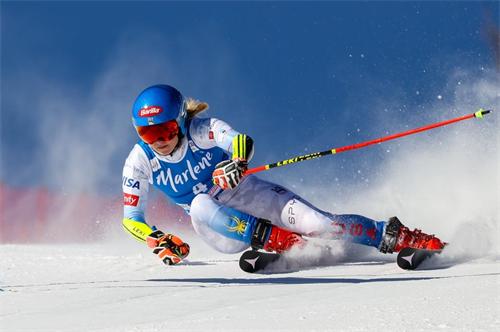
Shiffrin also benefits from and contributes to a shifting media landscape where niche sports can find global audiences. Streaming platforms and social media short clips make dramatic runs and slow-motion gate passes shareable outside the usual time-warped TV windows. A decade ago, an incredible slalom might have been a footnote; now it can be a viral moment, short enough for attention spans and striking enough to drive someone to “learn more” about competitive skiing.
There are limits and caveats. One star can raise the profile of a sport but cannot solve deep systemic access issues alone. Climate change, regional infrastructure, and the economics of ski travel will shape skiing’s long-term popularity far more than a single athlete. And the sport’s risk profile — fast speeds, heavy gear, and remote locations — makes mass adoption harder than for, say, running or soccer. Still, stars alter the trajectory: they make investments more likely, policy conversations (about youth access, safety, and facility funding) more salient, and young athletes more likely to dream in slalom gates and downhill pitches.
For the sport itself, the optimal playbook is to amplify the star’s halo into sustainable pathways: partner with athletes to create local access programs; use televised moments to promote learn-to-ski initiatives; and ensure that increased commercial interest translates into lower-cost entry points for families and youth. When a star has the kind of reach Shiffrin has earned, a strategic push by federations and resorts to translate that reach into boots-on-snow can make a real difference.
Mikaela Shiffrin’s impact on competitive skiing is a reminder that sporting cultures evolve through a mix of individual brilliance and institutional response. She provides the lightning bolt — moments of drama, records, and headlines — and the task for the sport is to build the grid that captures that energy into lasting growth. If skiing succeeds, it will be because stars like Shiffrin made people watch, because media and sponsors amplified what they saw, and because communities turned viewers into participants.
In short: the star effect doesn’t guarantee mass participation overnight, but it creates the conditions for it. With the right follow-through, Mikaela Shiffrin’s era could be the moment competitive skiing stops being a charming niche and begins, quietly and sustainably, to grow.
Recommend:

Who Gets the Spotlight? Gender Differences in Athlete Endorsements
The Hidden Burden: Balancing Beauty, Skill, and Bias as a Female Athlete

Rituals, Heroes, and Stories: The Cultural Language of Sport
How Cheerleading, Dance & Sideline Culture Become Global Brands