When we talk about Cristiano Ronaldo, we often think of the sculpted athlete with impossible stats, gravity-defying goals, and an unrelenting hunger to win. But beyond the pitch, Ronaldo has built something even rarer—a self-sustaining personal empire that thrives independently of football itself. In a world where most athletes fade into retirement obscurity or depend on fleeting sponsorships, Ronaldo has become the embodiment of what it means to be both an athlete and a CEO. His approach to self-management, brand building, and longevity has rewritten the rulebook for sports careers in the 21st century.
From Athlete to Enterprise
Cristiano Ronaldo is not just a footballer; he is a diversified business ecosystem. His name—“CR7”—is a globally recognized brand that extends far beyond Real Madrid jerseys or Manchester United goals. CR7 encompasses fashion lines, fragrances, gyms, hotels, fitness apps, and even NFTs, all underpinned by one crucial factor: Ronaldo himself.
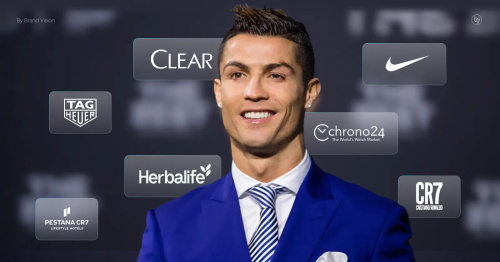
Unlike traditional celebrity endorsements, where the athlete lends their image to a brand, Ronaldo operates as the brand. His ventures are not passive sponsorship deals but active business partnerships, often with him as an equity stakeholder. This strategy ensures that every commercial move strengthens his long-term identity rather than diluting it. His business portfolio now includes partnerships with Nike, Binance, and Pestana Hotels, where his influence goes beyond being a face in advertisements—he helps shape product direction, marketing tone, and global expansion strategy.
The Discipline Behind the Brand
What sets Ronaldo apart is not just ambition but consistency. Every aspect of his public persona aligns with a single narrative: excellence through discipline. Whether it’s his famously strict diet, early training routines, or meticulously maintained physique, Ronaldo lives the same message he sells.
This authenticity creates a rare kind of brand loyalty. Fans and consumers don’t just buy CR7 products—they buy into a philosophy. The message is clear: success isn’t luck; it’s lifestyle. That connection between personal values and commercial storytelling is what transforms a football star into a global enterprise.
Ronaldo’s social media presence illustrates this perfectly. With over 600 million Instagram followers—more than any other person on Earth—he commands a digital influence greater than most multinational corporations. Each post is calculated: a mix of family, fitness, and fashion, reflecting a brand that is aspirational yet accessible. Unlike many athletes who rely on publicists to craft their voice, Ronaldo’s content feels consistent with his character—competitive, confident, but human.
Self-Sustaining Success
Most athletes’ income graphs peak during their playing careers and decline sharply after retirement. Ronaldo’s model is designed to break that pattern. Through ownership, investment, and digital reach, he’s created a business engine that can sustain itself beyond football.
His CR7 hotels in partnership with Pestana Group are a perfect example. Strategically located in Lisbon, Madeira, Madrid, and New York, they extend his brand into lifestyle and hospitality—industries that thrive on image and reputation. His fitness ventures, including the CR7 Fitness by Crunch franchise, capitalize on his physical credibility while creating scalable global income streams.
Even his move to Al Nassr in Saudi Arabia in 2023, widely seen as a career wind-down, fits his playbook. It wasn’t just a football transfer—it was a business expansion. By positioning himself in the Middle East, Ronaldo tapped into an emerging market that aligns with Saudi Arabia’s Vision 2030 goals to diversify through sports and tourism. His arrival instantly elevated the Saudi Pro League’s global profile, proving once again that wherever Ronaldo goes, markets move.
Brand Longevity in a Changing Era
In an age where athlete visibility is fleeting and cancel culture looms large, Ronaldo’s durability is remarkable. Part of this resilience lies in his strategic separation of personal identity and commercial messaging. He rarely engages in divisive commentary or political debates, maintaining a global appeal that transcends cultural and national boundaries.
At the same time, Ronaldo’s brand has adapted to generational change. While his early image revolved around luxury and glamour, his more recent persona emphasizes family, mentorship, and legacy. This evolution mirrors his audience—many of his original fans are now adults with careers and children. The brand grows with them, ensuring emotional continuity.
Compare this with other athletes whose brands were heavily tied to momentary fame or controversial personas. Many failed to transition smoothly post-retirement because they lacked what Ronaldo built early: a clear, transferable value system. His focus on self-discipline, excellence, and confidence remains relevant in any context—sports, business, or lifestyle.
Lessons for the Modern Athlete
Ronaldo’s success is not an accident; it’s a blueprint. Modern athletes entering the digital era can learn several key lessons from his model:
1. Own your narrative. Don’t just rely on the media or sponsors to define your image. Curate it deliberately.
2. Invest in longevity. Build assets and ventures that can thrive without your physical presence.
3. Stay authentic. Fans can detect pretense. Align your business moves with your true lifestyle and values.
4. Leverage technology. Social media isn’t just for visibility—it’s a direct marketing tool with global reach.
5. Evolve with your audience. The ability to mature your brand alongside your fans ensures sustainability.
The Legacy of a Self-Made Brand
Cristiano Ronaldo may eventually retire from professional football, but the CR7 enterprise will likely continue long after his final goal. He’s proven that athletic excellence can serve as the foundation for something much bigger—a lifelong business built on credibility, vision, and relentless self-discipline.
In that sense, Ronaldo is not merely playing the game—he’s mastering the industry surrounding it. His empire demonstrates that modern sports icons are not just participants in entertainment but active architects of their economic destiny.
Ronaldo’s true genius lies not only in scoring goals but in understanding the ultimate one: turning personal excellence into a perpetual motion machine of success.
Recommend:
“The Rise of ‘Everyday Athletes’: How Non-Elite Competitors Are Shaping Modern Sport”
Mind Over Muscle: The Growing Role of Psychological Coaching in Sports

Beyond the Game: How Former Pros Navigate Life After Sports
Two-Way Superstar: How Ohtani Elevates an Athlete’s Market Value