

Every four years, the world gathers to witness the Olympic Games, an event where sweat, dedication, and years of preparation culminate in moments of breathtaking athletic brilliance. But beyond the medals, records, and national pride, the Olympics possess a unique power: they can transform relatively unknown athletes into global icons overnight. For many competitors, the Games are more than a sporting challenge—they are a career-defining stage that can elevate them to international fame, sponsorship deals, and a lasting legacy.
Take Usain Bolt, for example. Before the 2008 Beijing Olympics, Bolt was a promising sprinter from Jamaica, showing flashes of speed in junior competitions but far from a household name. That year, Bolt ran the 100 meters in a staggering 9.69 seconds, breaking the world record while celebrating before crossing the finish line. Overnight, he became not just Jamaica’s pride but a global symbol of athletic excellence and charisma. Bolt’s Olympic triumphs in Beijing, London 2012, and Rio 2016 cemented his status, attracting lucrative endorsements from brands like Puma and Gatorade. His fame went beyond sprinting; he became a pop culture phenomenon, demonstrating how Olympic glory can transform personal achievement into worldwide recognition.
Yet, the Olympic fame effect is not limited to athletes from powerhouse nations. Nadia Comăneci, a Romanian gymnast, made history at the 1976 Montreal Olympics by scoring the first perfect 10 in Olympic gymnastics. Comăneci was only 14 years old, yet her flawless routines captured global attention and became a media sensation. Before Montreal, she was relatively unknown outside gymnastics circles; afterwards, she became a symbol of perfection and youth athleticism worldwide. Her fame extended beyond the sport itself, leading to television appearances, endorsements, and an enduring legacy as a benchmark for excellence in gymnastics.
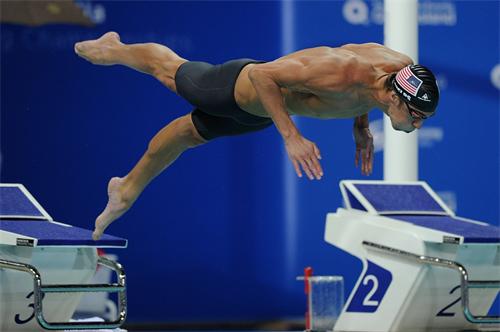
Olympic fame can also reshape an athlete’s career trajectory. Michael Phelps, often hailed as the greatest swimmer of all time, won eight gold medals at the 2008 Beijing Olympics alone. While Phelps was already recognized within the swimming community, his unprecedented medal haul catapulted him into the global spotlight. Post-Beijing, he leveraged his Olympic stardom to promote mental health awareness, launch philanthropic initiatives, and secure commercial partnerships, demonstrating how Olympic success can provide a platform far beyond athletic performance.
But fame isn’t always instantaneous or guaranteed. Some athletes experience delayed recognition or sudden overnight stardom from a single defining moment. Consider Fiji’s rugby sevens team in the 2016 Rio Olympics. Rugby sevens had never won a gold medal for Fiji, a small island nation with a rich rugby culture. Their triumph in Rio, fueled by spirited teamwork and national pride, made the players heroes overnight. Players like Osea Kolinisau, the team captain, became national icons, and their victory ignited global attention on Fijian rugby. For countries and athletes outside traditional Olympic powerhouses, the Games can be transformative, creating a bridge between local success and global recognition.
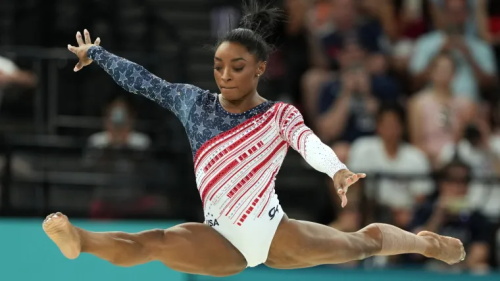
Interestingly, Olympic fame can transcend the sport itself, influencing social and cultural spheres. Simone Biles, the American gymnast, is a prime example. By the 2016 Rio Olympics, Biles was already recognized for her exceptional skills, but her dominance on the mat, combined with her candid discussion of mental health in 2020, amplified her visibility and impact. Biles’ story illustrates that Olympic fame is not just about medals—it’s about the narratives athletes embody, the challenges they overcome, and the inspiration they provide to millions worldwide.
Lesser-Known Athletes Whose Olympic Moments Went Viral
1. Kelsey Mitchell (Canada, Track Cycling, Tokyo 2020)
Kelsey Mitchell shocked the cycling world with her gold-medal sprint in Tokyo. A relative unknown outside Canada, her explosive start and dominant finish were replayed worldwide, earning her instant recognition and social media fame.
2. Lasha Talakhadze (Georgia, Weightlifting, Tokyo 2020 & Rio 2016)
While Georgia has a strong weightlifting tradition, Talakhadze’s incredible 223 kg clean and jerk in Tokyo turned him into a global sensation. Clips of his lifts circulated widely online, showcasing sheer strength and determination.
3. Mutaz Essa Barshim (Qatar, High Jump, Tokyo 2020)
Barshim made history by sharing the gold medal with Italy’s Gianmarco Tamberi after a rare tie in the high jump. His sportsmanship and humility instantly captured hearts around the globe, demonstrating that Olympic fame isn’t just about winning—it’s about character.
4. Neeraj Chopra (India, Javelin Throw, Tokyo 2020)
India had never won a gold medal in athletics before Neeraj Chopra’s record-breaking javelin throw. Overnight, Chopra became a national hero, inspiring millions in a country with a deep cricket-focused sports culture. His victory was celebrated as a historic moment.
5. Elaine Thompson-Herah (Jamaica, Track & Field, Tokyo 2020)
While Usain Bolt dominated headlines in previous years, Thompson-Herah emerged as a new sprint queen. Her 100m and 200m victories in Tokyo earned her global recognition, and videos of her celebrations went viral, marking the rise of a new sprinting superstar.
The Olympics also offer a fleeting yet intense spotlight that can elevate athletes who were previously unknown. The story of Anthony Ervin, the American swimmer, is compelling. Ervin won the 50-meter freestyle gold at the 2000 Sydney Olympics at age 19, disappearing from international competition shortly after due to personal struggles. Yet 12 years later, at the 2016 Rio Games, Ervin staged an unprecedented comeback, winning gold again and capturing global headlines. His journey reminds us that Olympic fame can be both sudden and cyclical, returning to athletes who persist through challenges and redefine their legacies.
However, with fame comes responsibility and pressure. Media scrutiny, commercial obligations, and public expectations can be overwhelming, and some struggle to maintain their identity outside the Olympic stage. Yet, for those who harness their Olympic moment, the rewards are transformative: financial stability, platforms for advocacy, and the chance to inspire the next generation.
In the end, the Olympic fame effect is a reminder that sports are more than competitions—they are storytelling machines. They turn ordinary athletes into legends, provide a lens through which societies celebrate human potential, and offer the world fleeting but unforgettable moments of greatness. A single race, jump, or routine can redefine a life, a career, and sometimes even the cultural imagination of an entire nation.
Gold, glory, and global recognition: the Olympic Games remain one of the few arenas where, in the span of a few seconds or minutes, an athlete can leap from obscurity to eternal renown. For fans, these moments are thrilling; for athletes, they are life-changing.
Recommend:

The Psychology of Victory: How Świątek Beats Stress with Science
The Hidden Burden: Balancing Beauty, Skill, and Bias as a Female Athlete
Boxing Star, Luxury Icon: The Canelo Álvarez Crossover Story

Gold, Glory, and Global Recognition: The Olympic Fame Effect