Sport has always been more than a simple contest of skill, strength, or speed. From the crowded stadiums of the modern era to the dusty fields of ancient civilizations, sport functions as a language of culture, carrying with it rituals, heroes, and stories that resonate far beyond the final whistle. It is this cultural dimension—the way sport communicates identity, emotion, and shared values—that makes it one of the most compelling human phenomena.
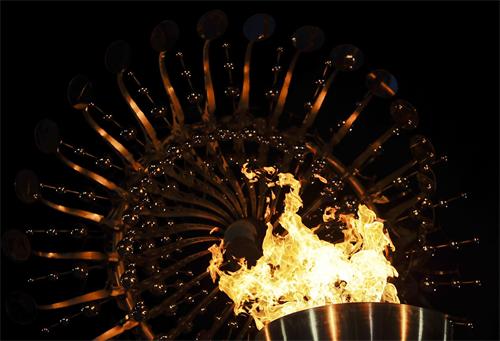
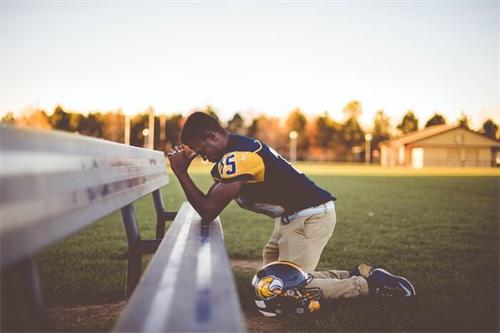
At the heart of sport’s cultural power lie its rituals. Pre-game traditions, chants, and superstitions are not mere superstition or entertainment; they are symbolic acts that structure both the experience of participation and spectatorship. Consider the pre-match anthems sung in stadiums around the world. From the English “Three Lions” to the Brazilian samba-infused celebrations, these musical rituals anchor fans in a shared cultural moment, transforming a group of strangers into a collective entity. Similarly, athletes themselves engage in rituals—tightening shoelaces in a certain order, bouncing a ball a specific number of times before a free throw, or performing elaborate pre-race routines. These actions, often invisible to outsiders, are critical for mental preparation, creating a sense of control in an arena defined by uncertainty. Rituals in sport, then, operate as both psychological tools and cultural signals, marking the space as sacred and the event as meaningful.
Equally central to sport’s cultural language are its heroes. Athletes become living symbols, embodying ideals such as perseverance, courage, and excellence. Icons like Serena Williams, Lionel Messi, or Michael Jordan are celebrated not merely for their physical achievements but for the narratives they represent—overcoming adversity, defying expectations, and pushing the boundaries of human potential. These figures inspire emulation, shape identity, and provide role models for young fans navigating their own challenges. Heroism in sport is not always tied to victory; the mythic dimension often thrives in struggle, in moments of resilience against impossible odds. In this way, sports heroes function like mythological figures, their lives and performances offering stories through which communities interpret broader social values and personal aspirations.
Closely intertwined with rituals and heroes are the stories that sports produce. Every game, match, or tournament is a narrative, complete with plot, conflict, and resolution. A last-minute goal, a comeback victory, or an unexpected defeat becomes a shared story, retold in conversations, social media posts, and fan forums. These stories create communal memory, anchoring fans to moments that transcend the immediate spectacle. The stories of sport also reflect and reinforce societal narratives—underdog triumphs echo broader themes of social mobility, while dynasties and rivalries can mirror political or regional tensions. In essence, sport translates lived experience into narrative form, providing a cultural script through which fans can interpret the world.
Beyond entertainment, this cultural language has profound social significance. Rituals, heroes, and stories foster connection, solidarity, and identity. National teams, local clubs, and even informal sporting communities become sites where collective identity is enacted and celebrated. Rituals like tailgating, chanting, or post-match analysis cultivate belonging, while shared admiration for heroes reinforces communal values. Stories of athletic feats allow people to engage emotionally, participating in triumphs and tragedies as if they were part of the team themselves. This dynamic illustrates why sport remains a powerful lens through which societies negotiate meaning, community, and aspiration.
The language of sport also evolves alongside culture. As societies change, so too do the rituals, heroes, and stories that define their sports. The rise of women’s professional leagues, for instance, has introduced new heroes and narratives that challenge traditional gender norms. Technology, from instant replay to wearable performance trackers, adds new layers to storytelling, allowing fans to engage with sports in previously unimaginable ways. Meanwhile, globalization has enabled the circulation of sporting rituals and heroes across borders, creating transnational communities that share in the emotional resonance of competition. The cultural language of sport, therefore, is dynamic—rooted in tradition yet constantly adapting to contemporary contexts.
Yet perhaps the most remarkable aspect of sport’s cultural language is its universal accessibility. Regardless of language, nationality, or background, people understand the rhythms of competition, the symbolism of victory and defeat, and the allure of heroes overcoming adversity. Sport offers a shared vocabulary for human experience, one that communicates hope, courage, and the joy of participation. In doing so, it reminds us that culture is not just found in literature, art, or music—it is alive in the sweat, cheers, and stories of human physical endeavor.
In the end, sport is far more than scores, medals, or records. Its rituals, heroes, and stories comprise a cultural language that speaks to who we are and who we aspire to be. By engaging with this language—through watching, playing, or celebrating—people enter a dialogue that transcends mere competition, connecting them to community, history, and shared human values. Sport’s true magic lies not just in the feats themselves, but in the way those feats become symbols, narratives, and rituals that echo across generations. It is a language that, once learned, invites everyone to participate in the human story.
Recommend:
“The Rise of ‘Everyday Athletes’: How Non-Elite Competitors Are Shaping Modern Sport”
Racing in Real and Virtual Worlds: Lando Norris’s Dual Career
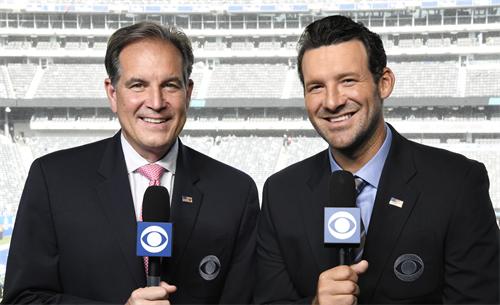
Speaking the Game: How Retired Athletes Find Fame as Commentators

The Star Effect: Mikaela Shiffrin’s Role in Popularizing Competitive Skiing