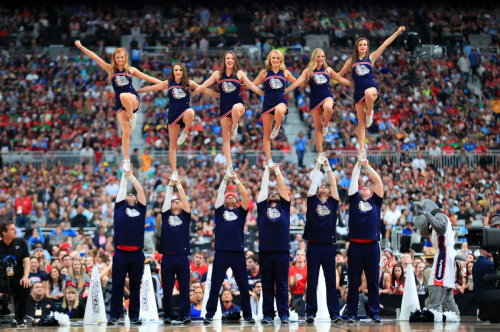
Once confined to the sidelines of American football and basketball games, cheerleading and dance teams have transformed into global cultural exports — symbols of athleticism, confidence, and performance artistry. What was once a secondary act meant to energize crowds is now a billion-dollar ecosystem of competitions, training academies, TV shows, and lifestyle brands. Cheerleading is no longer “something girls do to support the boys.” It has become a global stage where athletes — both female and male — fuse sport, dance, and showmanship in a high-performance, media-savvy spectacle.
From Sideline Spirit to Center Stage
The roots of cheerleading trace back to late-19th-century college football games in the U.S., where students led chants to boost team morale. It was initially a male-dominated activity, with women joining only in the 1920s. Over time, the choreography became more elaborate, incorporating gymnastics, acrobatics, and synchronized movement. By the 1980s and 1990s, television coverage of cheerleading competitions — especially those organized by ESPN and Varsity Spirit — helped elevate the activity from sideline entertainment to a standalone sport.
Today, cheerleading is officially recognized in more than 100 countries. The International Cheer Union (ICU), formed in 2004, now governs over 7.5 million athletes worldwide. What’s remarkable is not just the scale, but how cheer culture has adapted to local identities: Japanese squads blend precision with pop aesthetics; Scandinavian teams emphasize acrobatics; and in Latin America, routines often integrate regional dance styles. The once-American phenomenon has become an international language of energy and empowerment.
The Rise of “Sideline Aesthetics”
The modern cheerleader is more than a performer — they are a brand. From iconic uniforms and choreography styles to Instagram-ready imagery, the cheer and dance aesthetic has become deeply embedded in pop culture. Think of the crisp pleated skirts, bold color palettes, and choreographed confidence. Brands from Nike to Lululemon now collaborate with collegiate dance teams, while makeup lines sponsor cheer competitions.
In social media, #CheerTok — a niche within TikTok — has over 1 billion views. These videos go beyond stunts; they showcase the team culture, training discipline, and even the emotional highs and lows of competition life. The appeal lies in the blend of athletic rigor and performative polish — a hybrid that speaks to Gen Z’s fascination with authenticity and spectacle.
Meanwhile, dance teams — particularly those associated with professional sports like the NBA and NFL — have built massive global fanbases. Teams such as the Dallas Cowboys Cheerleaders, Miami Heat Dancers, and L.A. Lakers Girls have transcended sport, appearing in documentaries, reality shows, and brand campaigns. Their performances are not just halftime entertainment but cultural statements of glamour, precision, and physical artistry.
Beyond Performance: Empowerment and Critique
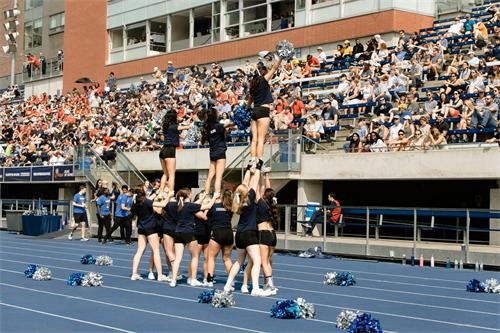
Cheerleading’s evolution also mirrors broader conversations about gender, empowerment, and representation. Historically, cheerleaders were often seen as symbols of idealized femininity — attractive, enthusiastic, and supportive. But as the athletic demands grew, so did the recognition of cheerleaders as serious athletes. Today’s routines require advanced tumbling, lifts, and coordination comparable to gymnastics or figure skating.
Yet the industry hasn’t escaped criticism. Debates continue over pay equity for professional cheerleaders, the sexualization of their image, and the lack of institutional recognition compared to male-dominated sports. Some NFL and NBA teams have responded by shifting toward more inclusive “spirit squads” that feature both men and women, and by emphasizing technical dance training over glamor-focused presentation.
Interestingly, in countries like South Korea and Japan, cheerleading has evolved differently — seen more as an expression of discipline, teamwork, and artistic performance than as a gendered role. International cheer competitions also highlight the diversity of approaches: from the intense acrobatics of U.S. teams to the theatrical storytelling of European squads, each culture adds its own layer of meaning.
The Cheer Economy
Behind the glitter lies a robust business model. Cheerleading apparel brands like Varsity Spirit, Rebel Athletic, and GK Elite now dominate a market worth hundreds of millions of dollars annually. Add to that the booming competition circuit — with world championships in Orlando drawing over 25,000 participants from more than 80 countries — and cheerleading becomes not just a sport, but an industry.
Media exposure amplifies this further. Netflix’s hit documentary Cheer (2020) brought Navarro College’s team to global fame, spotlighting the intensity, sacrifice, and spirit of the athletes. The series also reframed cheerleading in public perception — from “smiling on the sidelines” to “blood, sweat, and pyramid formations.” This narrative shift helped attract sponsorships, fitness brand deals, and a surge of new athletes inspired to join.
A Culture of Movement
At its core, the global cheer and dance movement represents a cultural fusion of sport, performance, and identity. It celebrates not only physical strength and teamwork but also creativity and confidence. Whether performed in Tokyo, London, or São Paulo, cheerleading offers a shared vocabulary of rhythm and unity — one that transcends language barriers.
The next chapter may be digital: virtual cheer competitions, metaverse performances, and AI-assisted choreography are already being tested. As audiences move online, the “sideline” is no longer a physical place — it’s a livestream, a brand collaboration, a viral dance trend.
What started as a way to support teams has become a phenomenon that is the main event. Cheerleading, dance, and sideline culture have found their place not at the edge of the sports world, but at its center — blending athleticism, aesthetics, and aspiration into one of the most dynamic modern global brands.
Recommend:
Nike vs. Adidas: Who’s Winning the New Era of Athlete Collaborations?
Athlete as CEO: Cristiano Ronaldo’s Playbook for Self-Sustaining Success
Sponsorships, Media, and Athletes: The Unseen Game Behind Global Competitions
Mind Over Muscle: The Growing Role of Psychological Coaching in Sports