1. What do we mean by “everyday athlete”?
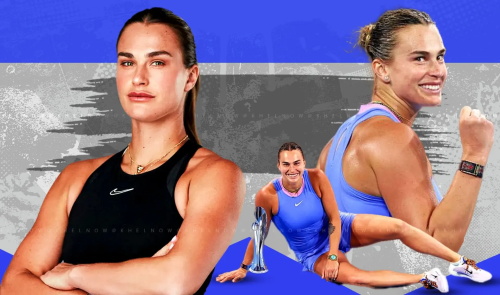
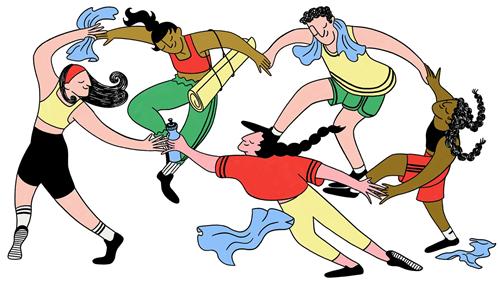
When I say “everyday athlete,” I’m referring to individuals who may not compete professionally or make their living from sport, but who train, compete, or engage intentionally in physical challenge. They’re more than weekend joggers; they might be doing a triathlon, signing up for obstacle-races, lifting heavy, playing amateur team sports, or simply striving for measurable performance improvements.
Recently, media outlets have observed “the remarkable rise of the everyday athlete” — people with day-jobs, varied life roles, but who approach physical training, competition and personal goal-setting with nearly the mindset once reserved for elites.
They’re using wearable tech, data, social media, structured training, recovery protocols, all kinds of tools that were formerly the domain of high-level sport.
So the “rise” is two-fold: (a) greater numbers of people identifying (and behaving) as athletes, even if not elite; (b) these non-elite athletes reshaping the culture, structure and business of sport.
2. Why is this happening now?
Several factors converge:
- Accessibility & technology: Wearables, fitness apps, social networks, training content online — these reduce knowledge/entry barriers. The everyday athlete can now monitor heart rate, track times, compare data, follow structured programs. For example, fitness industry commentary says that training like an athlete (strength + speed + agility) isn’t just for elites any more.
- Lifestyle and identity shifts: Many people look for meaning, challenge, community, and identities beyond work or family. Participating in sport, measuring improvement, even competing gives that. One article says everyday athletes of many backgrounds (teachers, parents, office-workers) are now taking on high-level endurance events.
- Culture & social media: Being an “athlete” is now a more accessible identity. The image of fitness, of challenge, of “doing something” connects with social media and lifestyle branding. Sport is no longer just for “the best of the best.” It’s part of everyday life and self-expression.
- Events & formats changing: Many events now cater to broad participation – e.g., obstacle races, open triathlons, mass-fitness competitions. Their growth reflects that people want not just to train but to test themselves. As noted in recent news: fitness events have boomed among “everyday athletes” seeking connection and competition.
3. What impacts is this having on sport and society?
- Redefined performance/competition: The binary “elite vs. recreational” is blurring. Everyday athletes blur the line—they train seriously, compete, but don’t necessarily aim to be professional. This changes what “competitive sport” means.
- Broadening of sport’s base: With more people participating seriously, sport becomes less exclusive. That can increase public health, community, and cultural engagement with movement.
- New markets & business models: Sport organizations, events, equipment, apparel, media are adapting. The everyday athlete is a huge market—gear, apps, training programs, social content.
- Peer and community dynamics: These athletes often find identity, community, motivation in peer groups (local clubs, social media “tribes”, training partners) rather than solely in elite fandom. That changes how sport functions socially.
- Changing representation & inclusivity: With everyday athletes, you see more diversity across age, gender, body-type, background. The image that sport is only for the young, ultra-fit, genetically gifted is challenged. For example, more older athletes or women entering endurance events.
- Potential risks: More participation and training intensity increase risk of injury, burnout, or over-commercialization. As the news item notes, rapid growth in fitness events comes with concerns about injuries.
4. Why this matters beyond the field
- Cultural meaning of sport: Sport has historically been a metaphor for excellence, heroism, national identity. As everyday athletes gain prominence, sport becomes more democratic—it’s not just about the few who become stars. That shifts how we value effort, progress, participation.
- Health & well-being: With more people engaging seriously in sport, there are potential benefits for health, mental resilience, community. Fitness becomes less ephemeral and more purposeful.
- Evolving business & media: Media companies, brands, events will increasingly market to the “everyday athlete” rather than just the top tier. This could change how sport is produced, monetised, and consumed.
- Role modelling and inspiration: Everyday athletes can be more relatable than elite stars. People might see someone balancing work/family and training and think “I can do that too.” That matters for widening participation.
- Sport policy and infrastructure: Governments, city planners, clubs may adapt to support more everyday sport: community events, accessible training, non-elite competitions, inclusive facilities.
Some reflections & thoughts on where this might lead
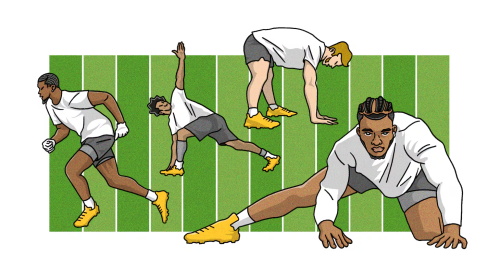
I expect a continued shift where sport is less about spectatorship (watching elites) and more about participation, self-measurement and peer competition. More people will see themselves as doing sport, not just watching it.
Sport organisations may need to adjust their definitions of success. It’s not only medals and professionals; retention, participation rates, community growth, personal stories may matter more.
The identity of athlete will broaden. We may see more “dual-lives” — people who are professionals in another field, but serious athletes in their passion. This hybrid identity may become the norm.
Training methods, recovery, technology will trickle further down. What used to be elite-only tools will become common for everyday athletes (and many already are).
However, caution: With wide access comes variability in quality, risk of injury, commercialization. If the everyday athlete is targeted for profit without proper infrastructure/support, we risk burnout, drop-out, or injury.
And there’s potential tension: Will mass involvement dilute the prestige of elite competition? Or will it elevate elite sport by producing stronger pools of participants and talent feeders? Perhaps both.
Finally, I think we’ll see hybrid formats: events designed specifically for everyday athletes with scalable levels of challenge, inclusion, social/community dimensions, rather than just “pro/am” binaries.
Conclusion
The rise of the everyday athlete signals a meaningful shift in the world of sport. It’s a democratization of athletic identity. It challenges the assumption that sport is only for the professionally gifted or the sponsored few. It opens doors for more people to engage, measure themselves, belong, compete.
For sport as a system—organisers, coaches, brands, policy makers—this means rethinking how success is defined, how access is provided, how training and infrastructure are built. For society more broadly, it means sport becomes more a part of life, not just an occasional spectacle.
In short: the everyday athlete is reshaping modern sport — not necessarily by rewriting records, but by rewriting participation, meaning, culture and business of sport. And that matters.
Recommend:
Rituals, Heroes, and Stories: The Cultural Language of Sport
AI, Data & Athlete Performance: What the Latest Analytics Mean for Elite Sport
Athlete as CEO: Cristiano Ronaldo’s Playbook for Self-Sustaining Success
The Hidden Burden: Balancing Beauty, Skill, and Bias as a Female Athlete