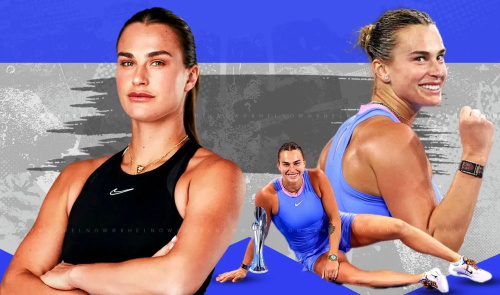
In an era when athletes are no longer just judged by the trophies they collect — but also by how they cultivate their identity beyond the baseline — the rise of Aryna Sabalenka is a case study. Once a hard-hitting emerging talent on the Women’s Tennis Association (WTA) Tour, she has evolved into a global sports brand: a dominant tennis player, a personality on social media, and a cultural presence beyond the court. Here are some thoughts on her journey from “court to feed.”
The Tennis Breakthrough
Sabalenka’s ascent follows a familiar but impressive arc: born in Minsk, Belarus in 1998, she began playing tennis at age six when her father drove past a court and decided to give it a try. She turned pro in 2015 and steadily climbed the rankings. By 2018–19 she was a top 15 singles player, combining her aggressive, power-based game (notably her serve and forehand) with surprisingly deft doubles success.
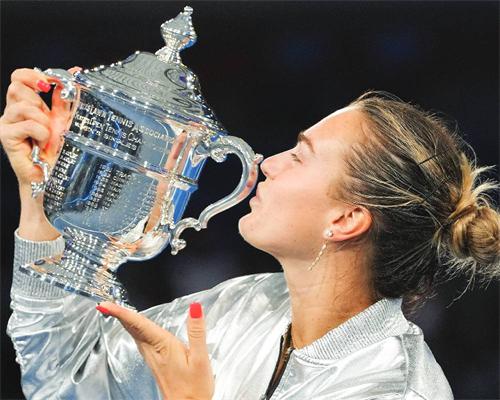
It wasn’t without turbulence: 2022 was a challenging year, as she recorded a high number of double faults and struggled for consistency. But then she pivoted. By 2023 she captured her first Grand Slam singles title (Australian Open) and reached world No. 1 in September. In 2024 she defended the Australian Open and added the U.S. Open, finishing the year as the WTA Year-End No. 1.
Her on-court persona is bold and unmistakable. She’s tall (1.82 m), hits hard, and plays with emotion. She’s often been called “The Tiger” both for her tattoo and ferocious competitiveness. All this positions her suitably as a modern tennis star — not just a skilled athlete, but a personality with presence.
From Talent to Global Star
But what sets Sabalenka apart from many previous players is how she has leveraged her on-court success into off-court reach. A piece on Women’s Tennis Blog notes that Sabalenka formally became the most-followed active WTA player on Instagram, surpassing Naomi Osaka, and has a growing presence on TikTok too. Her Instagram analytics show around 3.8 million followers and a solid engagement rate.
What does this matter? In today’s world, sports stars are not just competing for titles – they’re building platforms. Whether for sponsorships, brand deals, personal voice, or cultural relevance, the social media layer has become central. Sabalenka seems aware of that and actively participates. For instance, she and rival-turned-friend Coco Gauff filmed a viral TikTok dance before Wimbledon 2025 — a moment that became a social-media talking point.
She’s also shown a lighter side (TikTok trends, behind-the-scenes clips with her sister, etc.) that allows fans to connect with her more personally. That duality — fierce competitor on court, relatable person off it — is increasingly what modern athletes are built around.
Why Her Brand Works
Several factors make Sabalenka’s brand compelling:
- Authenticity through contrast. Her aggressive playing style is very real; her off-court persona often shows humor and relatability. That contrast feels genuine—not manufactured.
- Narrative arc. She didn’t burst onto the scene overnight; she went through growing pains (2022 slump), made technical changes (e.g., serve overhaul) and then broke through. That progression gives her story depth.
- Global appeal. As a Belarusian-born athlete playing globally, speaking multiple languages, she has cross-border resonance.
- Engagement beyond wins. She taps into pop-culture moments (TikTok, fashion cues, lifestyle posts). She isn’t just a trophy-holder; she’s current.
- Visual identity. The “Tiger” tattoo, the big serves, the personality — they create memorable imagery, making her recognizable even to casual followers.
Challenges & Opportunities Ahead
Of course, as with any rising star, there are challenges:
- Maintaining balance. The more you open your life to social media, the more your personal life becomes part of your narrative. Navigating that while keeping competitive focus is tricky.
- Expectation management. When you become world No. 1 and social-media inclusion kicks in, every loss gets magnified. Sabalenka’s 2025 French Open final loss to Gauff is a reminder that fans expect perfection once you reach the top.
- Sporting sustainability. Social-media fame is great, but the core remains performance. Injuries, form dips, political issues (e.g., being from Belarus during geopolitically-fraught times) all still matter. Sabalenka has already had to navigate such headwinds.
- Evolution of identity. At this point, she must decide what she wants to represent long‐term: merely the hard-hitting champion, or a broader cultural icon (fashion, activism, brand entrepreneur?). The path ahead is open.
Final Reflections
“From Court to Feed” aptly captures Sabalenka’s journey. She has gone from being a promising young tennis player with a booming serve to being a world-champion whose reach extends far beyond baseline rallies. In doing so she has:
1. Proven herself on the court with Grand Slams and world No. 1 ranking.
2. Built a recognizable and relatable persona off the court via social media and branding.
3. Embodied the modern athlete’s dual role: competitor and public personality.
If one were to sum up the lesson, it is this: In the modern sports world, success is multi-dimensional. It’s no longer enough to just win. Athletes who understand how to translate that win into a story, a brand, a connection with the broader world, gain a different kind of longevity. Sabalenka is doing that.
As fans, we get to watch not just her matches, but her evolution — on the court, on TikTok, in interview reels, in fashion shows. And that is increasingly the new paradigm of global sports fame.
Recommend:

Gold, Glory, and Global Recognition: The Olympic Fame Effect
“The Rise of ‘Everyday Athletes’: How Non-Elite Competitors Are Shaping Modern Sport”
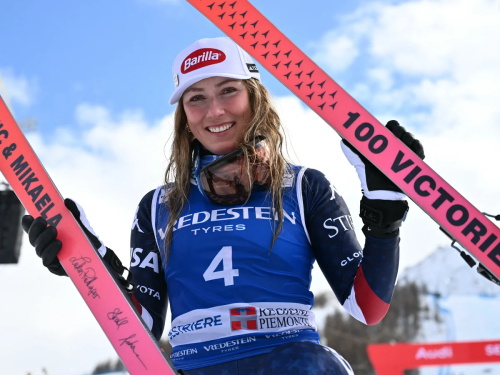
The Star Effect: Mikaela Shiffrin’s Role in Popularizing Competitive Skiing
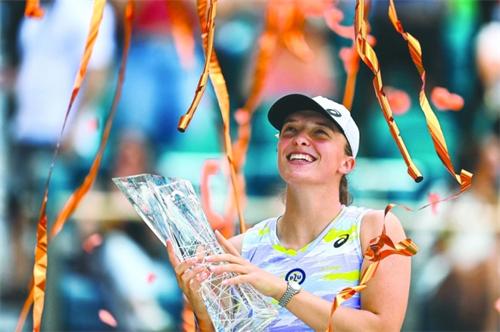
The Psychology of Victory: How Świątek Beats Stress with Science