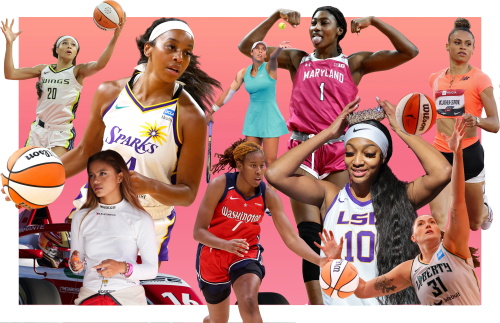

In the world of international sports, the spotlight often shines on athletes, their performances, and the thrilling competitions that captivate audiences worldwide. However, behind the scenes, a complex and strategic interplay between sponsors, media, and athletes shapes the landscape of global sports. This "unseen game" is driven by economic interests, brand positioning, and the evolving dynamics of digital engagement.
The Power of Sponsorships: Fueling the Sports Economy
Sponsorships have become the lifeblood of the sports industry, providing essential funding and resources that enable events to take place and athletes to perform at their best. In 2024, the global sports sponsorship market was valued at approximately USD 76.33 billion and is projected to grow at a compound annual growth rate (CAGR) of 8.70%, reaching an estimated USD 175.79 billion by 2034.
Brands invest in sports sponsorships to enhance their visibility, align with the values of sportsmanship, and connect with a global audience. For instance, companies like Nike, Coca-Cola, and Red Bull have long-standing partnerships with major sports events and athletes, leveraging these associations to bolster their brand image and reach.
Media: The Amplifier of Sports Content
Media plays a pivotal role in the sports ecosystem by broadcasting events, creating narratives, and engaging audiences across various platforms. The advent of digital media and streaming services has transformed how fans consume sports content, leading to new opportunities and challenges.
Take, for example, the National Women's Soccer League (NWSL) in the United States. In 2024, the league announced landmark media partnerships with CBS Sports, ESPN, Prime Video, and Scripps Sports, significantly increasing its national broadcast reach and brand marketing investment . These partnerships not only expanded the league's visibility but also attracted new sponsors and fans, demonstrating the symbiotic relationship between media exposure and commercial success.
Athletes as Brands: Navigating the Intersection of Performance and Promotion
Athletes today are more than just competitors; they are influential brands in their own right. Through social media platforms, personal endorsements, and public appearances, athletes have the power to shape public perception and drive consumer behavior.
A notable example is tennis star Naomi Osaka, who has used her platform to advocate for social justice issues, garnering support from fans and sponsors alike. Her ability to balance athletic excellence with activism has made her a sought-after ambassador for brands like Louis Vuitton and Nike.
Moreover, the implementation of Name, Image, and Likeness (NIL) rights in collegiate sports has empowered student-athletes to monetize their personal brands. This shift has led to increased sponsorship opportunities and a more dynamic relationship between athletes and brands.

The Interplay: How Sponsorships, Media, and Athletes Collaborate
The relationship between sponsors, media, and athletes is inherently collaborative, with each party benefiting from the others' strengths. Sponsors provide financial support and resources, media outlets offer platforms for exposure, and athletes deliver the content that captivates audiences.
For instance, during the 2024 Paris Olympics, Dior selected 15 female athletes as brand ambassadors, aligning the luxury brand with the global stage of the Games . This partnership not only elevated the athletes' profiles but also showcased how brands can leverage international events to enhance their image and reach.
Similarly, the rise of esports has highlighted the evolving nature of sports sponsorships. The esports sponsorship market, valued at USD 1.8 billion in 2024, is expected to grow at a staggering CAGR of 25%, reaching approximately USD 16.76 billion by 2034. This growth underscores the expanding influence of digital platforms and the increasing convergence of traditional sports with virtual competitions.
The Future Outlook: Digital Innovation and Global Expansion
Looking ahead, the sports industry is poised for continued growth and transformation. Digital innovation, including virtual reality, augmented reality, and data analytics, is enhancing fan engagement and creating new avenues for monetization.
Furthermore, the globalization of sports is opening up new markets and opportunities. Leagues and events are expanding their reach to international audiences, attracting global sponsors and fostering cross-cultural connections.
However, challenges remain, including the need for equitable representation, ethical considerations in sponsorships, and the balancing act between commercialization and the integrity of sports. Addressing these issues will be crucial for the sustainable development of the sports ecosystem.
Conclusion
The unseen game behind global sports competitions is a dynamic and multifaceted arena where sponsorships, media, and athletes intersect to create a thriving industry. Understanding the intricacies of this ecosystem is essential for stakeholders aiming to navigate the complexities and capitalize on the opportunities it presents. As the sports world continues to evolve, the collaboration between these key players will remain fundamental to its success and growth.
Recommend:

Gold, Glory, and Global Recognition: The Olympic Fame Effect
From Court to Feed: Aryna Sabalenka’s Journey to Global Fame

Talent, Training, and Childhood: The Stories Behind China’s Diving Prodigies

Two-Way Superstar: How Ohtani Elevates an Athlete’s Market Value