
In today’s digital age, an athlete’s influence can extend far beyond the playing field. For many retired athletes, platforms like YouTube have opened up a new chapter in their careers, allowing them to engage with fans, share expertise, and even generate new income streams. These athletes are no longer confined to traditional media or coaching roles; instead, they are reinventing themselves as content creators, preserving their personal brand, and inspiring audiences in entirely new ways.
The Shift from Athlete to Content Creator
Traditionally, athletes were defined by their achievements on the field, court, or track. Post-retirement, some would step away from the public eye, while others moved into commentary, coaching, or business ventures. However, with the rise of YouTube and other social media platforms, retired athletes now have direct access to fans, enabling them to share personal insights, behind-the-scenes stories, and lifestyle content.
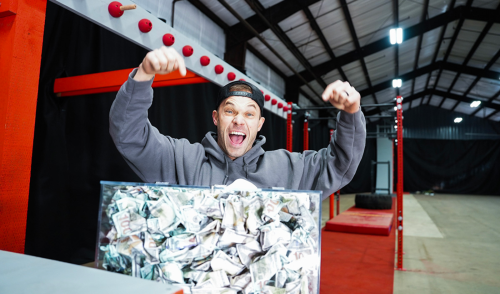
For instance, Nick Symmonds, a former U.S. middle-distance runner and two-time Olympian, transformed his competitive drive into digital creativity. His YouTube channel features fitness challenges, extreme workouts, and humorous stunts, such as “moving a million pennies” challenges. Nick’s content resonates with audiences not just because of his athletic background, but because he brings energy, humor, and authenticity to his videos.
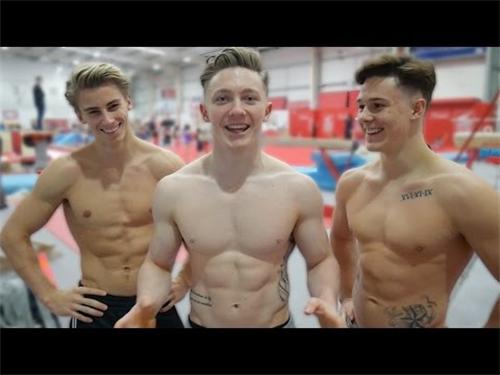
Similarly, Nile Wilson, the British gymnast and 2016 Olympic bronze medalist, has transitioned to YouTube following his retirement in 2021 due to injuries. Nile shares gymnastics tips, training routines, and personal vlogs, amassing over 1.6 million subscribers. His channel, along with a family vlog channel “Neil and Nile Vlogs,” offers fans a closer, more personal connection to his post-athletic life.
Engaging Fans in New Ways
YouTube allows retired athletes to engage with fans in ways that traditional media never could. Viewers can comment, share, and interact directly with content, creating a sense of community. Serena Williams, for example, has expanded her brand beyond tennis by sharing vlogs, interviews, and glimpses into her life as a mother and entrepreneur. The authenticity of her channel has helped her maintain a strong connection with fans worldwide.
Another compelling example is Donald De La Haye, a former U.S. college football player who had to abandon his athletic career due to NCAA regulations. He became a full-time YouTuber, producing lifestyle content, humorous challenges, and commentary that has attracted millions of subscribers. His story exemplifies how athletes can pivot from traditional sports to digital platforms while building a profitable career.
Diversifying Content and Income Streams
Beyond maintaining fan engagement, YouTube also offers financial independence. Through ad revenue, sponsorships, and merchandise, athletes can create sustainable income sources. Zlatan Ibrahimović, the retired soccer star, has used his personality and humor to produce content blending sports commentary, lifestyle, and entertainment, attracting millions of viewers worldwide.
Brothers Derek and David Carr, former NFL quarterbacks, co-founded the YouTube channel “Home Grown Network,” sharing sports commentary, family life, and personal insights. Their channel demonstrates that collaboration and storytelling can help retired athletes reach new audiences while maintaining their public persona.
Challenges and Considerations
Transitioning to YouTube is not without challenges. Consistently producing content, navigating public scrutiny, and mastering digital media require effort and skill. For instance, retired Formula 1 driver Daniel Ricciardo initially struggled to adapt to content creation, but with persistence, he now successfully engages fans with vlogs about racing life and personal experiences.
The Future of Athletes on YouTube
The trend of athletes moving into digital content is likely to grow. Advancements such as live streaming, virtual reality, and interactive content will provide more immersive ways for athletes to connect with audiences. Partnerships between sports leagues and digital platforms, like the NFL’s “Access Pass for Legends,” further support retired athletes in leveraging archival content for fan engagement.
Even younger retired athletes, such as Ian Gunther, a U.S. artistic gymnast, have found enormous success by posting training routines, tutorials, and personal insights. His channel now boasts over 2 million subscribers, proving that YouTube offers a viable platform for athletes to extend their careers digitally.
Recommend:
Racing in Real and Virtual Worlds: Lando Norris’s Dual Career

Gold, Glory, and Global Recognition: The Olympic Fame Effect
The Star Effect: Mikaela Shiffrin’s Role in Popularizing Competitive Skiing

Family, Coaches, and Self-Doubt: Inside the Mind of a Champion