

Behind every glittering medal and every roaring ovation, there lies an intricate web of relationships, pressures, and self-reflection that shapes a champion. While the public often celebrates the visible triumphs of athletes, rarely do we glimpse the quieter, more complex dynamics that influence their journey: the unwavering or critical family support, the exacting guidance of coaches, and the persistent shadow of self-doubt that can haunt even the most accomplished.
Family: The First Arena of Influence
From the moment an athlete begins training, family plays a dual role: nurturing talent and setting expectations. For many champions, family is both a source of motivation and pressure. Take Naomi Osaka, the four-time Grand Slam tennis champion, whose father played an instrumental role in introducing her to tennis. Yet, her father’s intense involvement, including coaching her during formative years, also brought stress, contributing to her candid discussions about mental health and the overwhelming weight of external expectations.
Similarly, Simone Biles, arguably the most decorated gymnast in history, has often spoken about her adoptive family’s role in her upbringing. Their unwavering belief in her ability provided stability and emotional security, which became the foundation upon which her athletic career was built. However, even with a supportive family, the pressure to meet their high expectations can amplify self-doubt. Young athletes may internalize the fear of disappointing loved ones, turning familial support into a silent, invisible tension.
Coaches: The Architects of Success
Coaches are often seen as the masterminds behind an athlete’s technical and tactical development, but their influence goes far beyond physical training. The relationship between coach and athlete can be nurturing, disciplinary, or, at times, fraught with conflict. Michael Phelps, the most decorated Olympian of all time, has credited coach Bob Bowman not only for refining his technique but also for instilling mental resilience. Bowman’s rigorous approach demanded perfection, yet it was coupled with a profound understanding of Phelps’ psychological needs, showing how a coach’s guidance extends beyond the pool.
However, this mentorship can also be a source of stress. Athletes often face the dilemma of meeting the high standards set by their coaches while also maintaining their personal identity and mental well-being. Pressure to please a coach can intensify self-doubt, leading athletes to question their competence even after success. The stories of elite athletes frequently reveal moments where they wonder if they truly deserve their accolades, underscoring the delicate balance coaches must maintain between challenge and support.
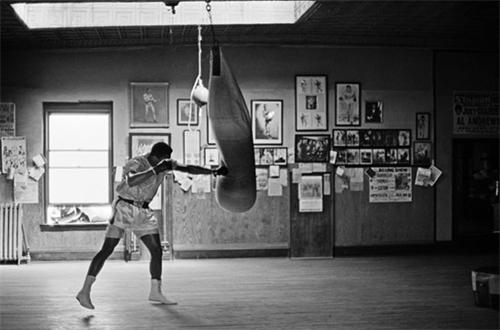
Self-Doubt: The Silent Opponent
Even champions are not immune to self-doubt. Behind every gold medal is a narrative of internal struggle, a mental opponent that is sometimes more formidable than any competitor. Novak Djokovic, a world-renowned tennis player, has openly discussed periods of anxiety and uncertainty throughout his career. Despite his achievements, he confronts the mental challenge of remaining at the top in an arena where expectations never waver.
Self-doubt often emerges in critical moments—before an Olympic final, during a decisive match point, or when recovering from injury. These internal battles require as much training and strategy as the physical aspects of sport. Mental resilience, therefore, becomes as vital as strength, speed, or agility. Techniques such as visualization, mindfulness, and cognitive reframing are increasingly recognized as essential tools in an athlete’s arsenal, reflecting a broader understanding that athletic excellence is as psychological as it is physical.
The Interplay Between Family, Coaches, and Self-Doubt
What makes an athlete truly remarkable is their ability to navigate the complex interplay between familial expectations, coaching demands, and internal insecurities. These forces are not mutually exclusive; they constantly interact, shaping decisions, performance, and personal growth. For instance, gymnast Gabby Douglas struggled early in her career with homesickness and the pressure of living away from her family while under the intense scrutiny of elite coaches. Her eventual triumph at the 2012 Olympics exemplifies how athletes must reconcile these competing pressures, using them as fuel rather than allowing them to become barriers.
This dynamic also highlights the importance of holistic support systems. Modern sports psychology emphasizes the need for family, coaches, and mentors to provide consistent encouragement while recognizing the athlete’s humanity. The most sustainable champions are those who can internalize positive reinforcement, constructively process criticism, and transform self-doubt into motivation rather than paralysis.
Conclusion
While society often celebrates the spectacle of victory, it is essential to recognize the unseen psychological battles that define a champion’s journey. Family, coaches, and self-doubt are not peripheral elements; they are central to the athlete’s development and performance. Champions are forged not only through physical training but through navigating complex emotional landscapes, managing expectations, and confronting their inner fears.
Understanding this hidden dimension fosters a deeper appreciation of athletic excellence. The next time we cheer for a gold medal or a record-breaking performance, it is worth remembering that behind the applause lies a narrative of psychological resilience, intricate human relationships, and a continuous dialogue with self-doubt. In many ways, the journey of a champion is as much about mastering the mind as it is about mastering the sport.
Recommend:

The Psychology of Victory: How Świątek Beats Stress with Science
How Cheerleading, Dance & Sideline Culture Become Global Brands
Boxing Star, Luxury Icon: The Canelo Álvarez Crossover Story
The Greek Freak’s Journey: From Refugee Kid to NBA Legend