
For professional athletes, retirement is often depicted as a celebratory moment—a transition into the next chapter after years of hard work, fame, and competition. Yet, for many, leaving the sport they’ve devoted their lives to is far from simple. Behind the glamorous highlight reels and roaring stadiums lies a quieter, more complex journey: redefining identity, purpose, and ambition beyond the field, court, or track.
The Identity Shift
Athletic careers are, by nature, finite. The average professional lifespan in high-impact sports rarely exceeds a decade, and even in longer careers, the clock is always ticking. For athletes whose identities have been closely tied to their performance, the sudden absence of routine, competition, and recognition can be jarring. Many former pros speak of “losing a sense of self” when the cheering stops.
This identity crisis is not merely psychological—it can ripple into all aspects of life. Daily structure vanishes, social circles shift, and the defining metrics of success—goals scored, records broken, games won—no longer apply. The challenge lies in transferring the discipline, resilience, and mental toughness cultivated in sports into a new arena.
Navigating New Careers
Transitioning to a new profession is one path many athletes take, but it is often a steep climb. Some pursue coaching or sports management, leveraging their experience and network within the industry. Others explore entirely different sectors: entrepreneurship, media, philanthropy, or academia.
Real-Life Transitions
1. Charles Oakley – From NBA Enforcer to Culinary Enthusiast
After retiring from the NBA, Charles Oakley found a new passion in the kitchen. Known for his tough demeanor on the court, Oakley now channels his energy into cooking, even hosting private events and catering. His culinary journey is a testament to the adaptability and resilience athletes can exhibit post-retirement.
2. Jake Plummer – From Quarterback to Mushroom Farmer

Former NFL quarterback Jake Plummer took an unexpected turn after his football career. He became a mushroom farmer, embracing a lifestyle that connects him with nature and provides a sense of fulfillment outside the spotlight. Plummer's story highlights how athletes can find new passions that align with their values and interests.
3. Drew Bledsoe – From NFL Star to Winemaker
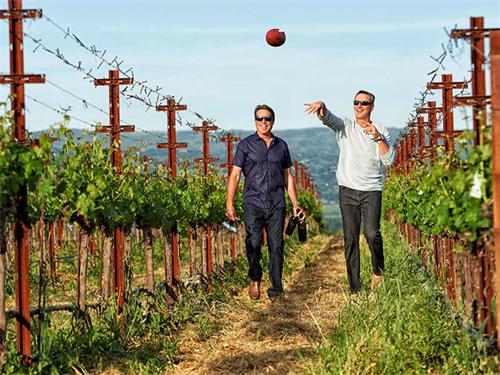
Ex-NFL quarterback Drew Bledsoe transitioned into the wine industry after his playing days. He founded Doubleback Winery in Washington State, combining his love for the land with business acumen. Bledsoe's venture into winemaking demonstrates how athletes can leverage their entrepreneurial spirit in new industries.
4. Andrew Conway – From Rugby Field to Consultancy
Irish rugby player Andrew Conway retired early due to injuries and founded 5XFlow, a consultancy firm focused on enhancing human performance. His company helps professionals and athletes achieve peak performance through personalized strategies. Conway's transition underscores the importance of planning and education in preparing for life after sports.
Financial preparation plays a critical role in this transition. Athletes with strong financial literacy and planning often have the flexibility to explore passions without immediate economic pressure. However, those who mismanage earnings or retire unexpectedly face an added layer of stress, making career reinvention a necessity rather than a choice.
Mental Health and Emotional Well-Being
The psychological challenges of retirement are profound. Athletes accustomed to adrenaline, focus, and public acclaim may struggle with feelings of emptiness or depression once they step away from the limelight. The stark contrast between the intensity of competition and the slower pace of civilian life can exacerbate these feelings.
Sports psychologists emphasize the importance of identity diversification long before retirement. Cultivating hobbies, education, and interpersonal relationships outside of sports helps create a sense of self that is not exclusively tied to athletic performance. Mindfulness, therapy, and mentorship programs tailored for retired athletes are increasingly recognized as essential tools to navigate this emotional landscape.
Legacy Beyond Statistics
Many retired athletes approach life’s second half with a focus on legacy, both within and outside their sport. Some become advocates for social causes, using their platform to drive change in areas like youth development, gender equality, or mental health awareness. Others channel creativity into art, writing, or entrepreneurship.
The phenomenon of athletes reinventing themselves in unexpected fields challenges conventional assumptions about post-retirement trajectories. Basketball stars become tech investors, Olympians become motivational speakers, and footballers become chefs. These reinventions are not just about career shifts—they are declarations of autonomy, a reclaiming of identity beyond the confines of sport.
Community and Mentorship
For many, the social network of sports remains a lifeline. Former teammates, coaches, and mentors provide guidance, emotional support, and opportunities. Mentorship programs connecting retired athletes with younger generations foster mutual growth: veterans share wisdom on handling pressure and discipline, while younger athletes offer fresh perspectives on modern challenges.
Engagement with the community also offers a sense of continuity and purpose. Many retired athletes find fulfillment in coaching youth teams, volunteering, or speaking publicly about their experiences. These activities bridge the gap between past and present, preserving the competitive spirit in meaningful ways.
The Redefinition of Success
Ultimately, the transition from professional sports is an exercise in redefining success. While championships, accolades, and contracts define a career in its early stages, personal fulfillment, contribution, and self-actualization take precedence after retirement. It’s a subtle but profound shift: from external validation to intrinsic motivation.
Success is no longer measured in points, medals, or contracts, but in resilience, adaptability, and impact. It becomes a multidimensional journey—one where lessons from sports, both victories and defeats, are reframed as tools for navigating life’s broader challenges.
Recommend:
Talent, Training, and Childhood: The Stories Behind China’s Diving Prodigies

The Hidden Burden: Balancing Beauty, Skill, and Bias as a Female Athlete
Boxing Star, Luxury Icon: The Canelo Álvarez Crossover Story
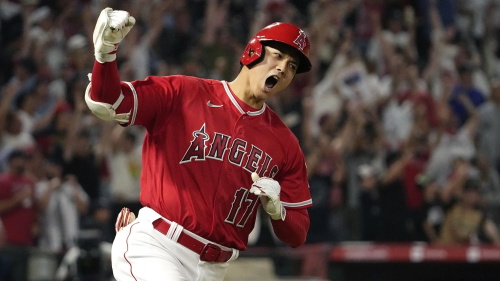
Two-Way Superstar: How Ohtani Elevates an Athlete’s Market Value