

There’s a special thrill in watching a sport you’ve never seen before: the unfamiliar rules, the curious rituals, the sudden clarity when you finally understand the objective. In recent years that thrill has become more widely available — not just in stadiums near the sport’s birthplace but on screens, in leagues, and at festivals around the world. Kabaddi, sumo, sepak takraw, and a host of other regional sports are no longer curiosities. They are evolving into international spectacles, each following its own path from local ritual to global product.
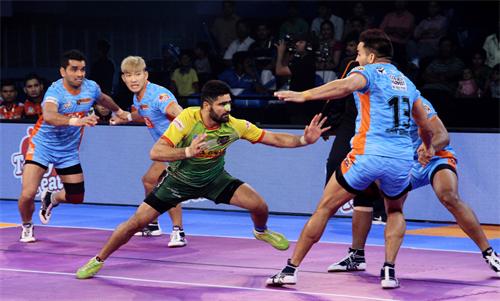
Take kabaddi. For decades it was a backyard game, part contact, part tag, played across villages and city courts in South Asia. Then came professionalization. Structured leagues, television-friendly formats, and savvy marketing transformed kabaddi into a product that could be packaged and sold. Standardized rules, team franchises, player drafts, and prime-time production values turned a grassroots pastime into a fast-paced, televised league sport. Suddenly kabaddi had star players, sponsors, and highlight reels that travel — and with them came the sport’s appeal to new audiences who enjoy its raw physicality and short, action-packed episodes.
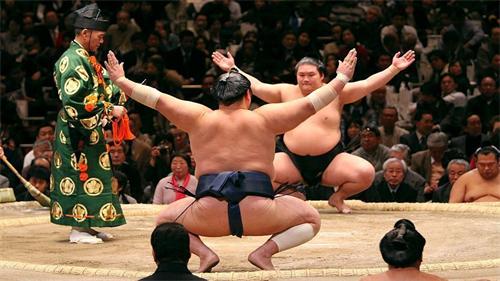
Sumo’s journey is different but no less fascinating. Rooted in Shinto ritual and centuries of Japanese tradition, sumo has long been more than sport — it’s pageantry, religion, community. That sacredness can be a double-edged sword for globalization: it sustains cultural authenticity but resists wholesale commercialization. Still, sumo’s dramatic aesthetics — the thunder of the dohyo, the ritual salt-throwing, the suddenness of victory — translate easily to international curiosity. Where kabaddi rode the wave of televised sport entertainment, sumo’s appeal often comes through cultural exportation: exhibitions, foreign-born rikishi (wrestlers) who train in Japan and then return home as ambassadors, and documentaries that frame the sport as an entry point to understanding Japanese culture.
Beyond those two, the list of niche sports finding an international audience keeps growing. Sepak takraw — the high-flying, acrobatic “kick-volleyball” of Southeast Asia — has aesthetic appeal that plays well on social platforms. Gaelic games like hurling have passionate diaspora followings who sustain clubs abroad. Pickleball exploded out of community recreation into the fastest-growing sport in some countries because it’s easy to pick up and social. Ultimate frisbee, quidditch (evolving into “quadball” in many places), and roller derby have built global communities by emphasizing inclusivity and grassroots organizing. Each sport’s growth story is a little different, but several common themes emerge.
First, media and technology are catalysts. Short-form video, highlights, and social media let spectacular moments circulate beyond borders instantly. You don’t need a full televised broadcast to hook viewers — a 30-second clip of a gravity-defying spike or a dramatic raid can start trends. Streaming platforms and niche sports channels also give organizers a way to reach diasporas and new markets without the gatekeeping of legacy broadcasters.
Second, governance and standardization matter. For a sport to move from local to global, it needs rules that can be taught and refereed consistently, tournaments that attract talent, and bodies to coordinate international play. That’s why you see federations forming, rulebooks being translated, and international championships popping up. Standardization can be fraught — it risks diluting regional variations — but without it, international competition becomes messy.
Third, commercialization and community must find a balance. Monetization brings professional careers, better infrastructure, and wider reach. But it can also strip away cultural context if done insensitively. Successful global expansions are those that preserve what made the sport compelling at home — the rituals, stories, local heroes — while adapting aspects like scheduling, presentation, and merchandising for broader audiences.
Fourth, athlete pathways and development are crucial. When kids in foreign countries can see a realistic route to becoming a professional or elite athlete in a new sport, participation increases. Coaching exchanges, scholarships, and international academies help build talent pipelines. This, in turn, makes international competitions more meaningful because they feature real cross-border rivalry and skill exchange.
Fifth, inclusion and gender dynamics shift the story. Many traditional sports were historically male-dominated; globalization forces a reckoning. New leagues and international federations are often more open to women’s competitions and mixed formats, which can broaden the sport’s base and attract sponsors who value diversity.
There are also obstacles. Cultural resistance from purists who fear commodification, logistical challenges in transporting athletes and building facilities, and the sheer competition for attention in a crowded media landscape are all real. And some sports have intrinsic barriers — sumo, for instance, is deeply entwined with Japanese ritual that resists wholesale exportation. Others need significant infrastructure (large courts, specialized equipment) that make grassroots growth harder in some countries.
But the upside is palpable. Globalization gives niche sports a chance to survive and thrive in a way that preserves — rather than erases — their uniqueness. It creates cross-cultural encounters that are not hectoring exchanges but joyful negotiations: players adopted from other cultures, hybrid rule-sets that keep the spirit intact while allowing fair international play, and new fans who fall in love with the sport’s particular poetry.
Ultimately, when niche sports go global successfully, they do more than just export competition. They export narratives — stories of identity, resilience, and community — packaged in a format the world can watch, share, and participate in. Whether you’re drawn to kabaddi for its breathless raids, to sumo for its ritualized power, or to sepak takraw for its aerial grace, what’s happening now is not a flattening of sport into a single global product. It’s an expanding map where more corners of human play get to shine on the world stage. And that’s a richer game for everybody.
Recommend:

Speaking the Game: How Retired Athletes Find Fame as Commentators

Post-Retirement Fame: Athletes Who Found a Second Career on YouTube

Sponsorships, Media, and Athletes: The Unseen Game Behind Global Competitions
The Hidden Burden: Balancing Beauty, Skill, and Bias as a Female Athlete