
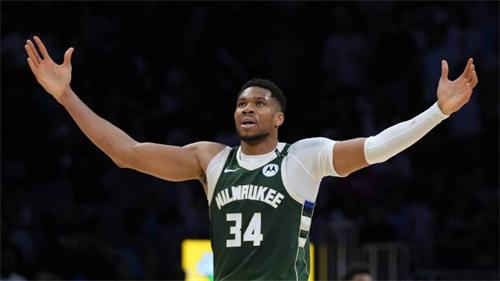
Giannis Antetokounmpo — A Story of Resilience, Identity, and Immigrant Hope
Giannis Antetokounmpo’s rise from the streets of Athens to the pinnacle of basketball glory is not just a tale of athletic excellence; it’s a modern epic about identity, struggle, and perseverance. His journey—shaped by the forces of migration, poverty, and persistence—embodies how sport can transcend the boundaries of nationality, race, and circumstance.
1. Born Between Worlds: The Immigrant Beginning
Giannis was born in Athens in 1994 to Nigerian parents who had immigrated to Greece in search of a better life. His family faced the hard reality that comes with being undocumented immigrants—no citizenship, limited access to public services, and constant fear of deportation. For much of his childhood, Giannis and his four brothers were invisible in the system.
To help his parents make ends meet, young Giannis sold watches, sunglasses, and DVDs on the streets of Sepolia, a working-class neighborhood of Athens. It’s easy now to see the smiling superstar clutching NBA trophies and forget that he once ran through markets not for sport, but to chase customers. Those experiences forged his humility, empathy, and relentless work ethic.
What makes his story resonate far beyond sports is that it represents a universal immigrant narrative: a family caught between two worlds—never fully belonging to either—but refusing to give up.
2. Discovering Basketball: A Chance That Changed Everything
Giannis didn’t grow up dreaming of the NBA. In fact, he didn’t even start playing basketball seriously until he was around 13. A local coach from the youth club Filathlitikos spotted him and his brother Thanasis practicing on a playground. What the coach saw wasn’t refined skill—it was raw potential: long arms, quick feet, and a spark of determination rare in kids his age.
Soon, basketball became both a passion and an escape. Training meant food on the table and, more importantly, a sense of purpose. Giannis would sprint to practice after helping his parents on the street, often arriving hungry but never complaining. His dedication impressed coaches and scouts, but even then, few could have imagined how far he would go.
The odds were stacked against him. He didn’t have citizenship and couldn’t travel outside Greece for tournaments. Yet, when NBA scouts started to take notice around 2012, the impossible began to feel tangible. In 2013, at just 18 years old, Giannis was drafted 15th overall by the Milwaukee Bucks—a moment that transformed not just his life, but his entire family’s destiny.
3. Becoming the Greek Freak: Growth Through Adversity
When Giannis first arrived in the U.S., he was an unknown teenager with a thin frame and limited English. Fans were skeptical; analysts called him “a project.” But season by season, he evolved—physically, mentally, emotionally. He added muscle, honed his playmaking, and learned the nuances of the NBA’s brutal pace.
By 2019 and 2020, he was named the league’s Most Valuable Player twice in a row, becoming only the third player in history to win both MVP and Defensive Player of the Year in the same season. The climax came in 2021, when he led the Bucks to their first championship in 50 years and earned the Finals MVP title after scoring a historic 50 points in the decisive Game 6.
Yet, what defines Giannis isn’t just his stats or trophies. It’s the process—his willingness to improve, his refusal to be complacent. He once said, “I’m not supposed to be here.” That humility is what keeps him grounded, still the same kid who sold trinkets in Athens, now simply selling inspiration on a global stage.
4. Dual Identity: Between Greece and Nigeria
Giannis’s story also speaks to the complexity of identity. For years, he struggled with belonging—Greek by birth, Nigerian by heritage, yet often treated as an outsider in both worlds. Greece only granted him citizenship in 2013, just before he left for the NBA.
Over time, he learned to embrace both sides of himself. He speaks proudly of his Nigerian roots, often visiting his parents’ homeland, while also representing Greece in international competitions. He dances to Afrobeat, eats jollof rice, but also carries the Greek flag at the Olympics. In an era when nationalism and immigration debates dominate headlines, Giannis embodies the beauty of hybridity: the idea that identity can be fluid, layered, and still whole.
His existence challenges stereotypes—of what it means to be Greek, African, European, or American. Through him, the world witnesses that greatness can emerge from cultural intersection, not division.
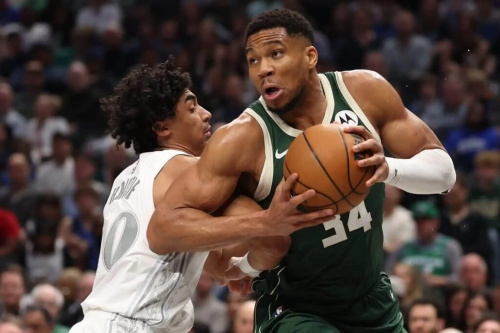
5. Giving Back: From Survivor to Symbol of Hope
Success didn’t make Giannis forget where he came from. He’s known for his devotion to family—his brothers all play basketball, his mother remains his emotional anchor, and his late father Charles’s influence continues to guide him.
He has also used his fame to give back. Giannis and his brothers founded the AntetokounBros Academy in Greece to provide free access to sports programs for underprivileged youth, especially those from immigrant families. Through charitable work and media projects—including his Prime Video documentary Giannis: The Marvelous Journey—he seeks to inspire others to rise above adversity.
He doesn’t see himself just as an athlete, but as a bridge: between continents, between privilege and poverty, between what people are born into and what they can become.
6. Lessons and Legacy
Giannis’s journey invites reflection on what success truly means. It’s easy to celebrate the championships, but the deeper triumph lies in his transformation—from invisible immigrant to global icon without losing authenticity. His story reminds us that representation matters: when a kid from a marginalized background makes it, he carries countless others with him in spirit.
He also defies the typical “rags-to-riches” simplification. His rise wasn’t magic—it was a relentless grind of years of sacrifice, doubt, and self-belief. And even at the height of fame, he continues to value humility and growth. “Never let success change your character,” he often says—a statement that feels like his guiding principle.
More Than a Basketball Hero
The Greek Freak’s story is more than a chronicle of athletic dominance—it’s a mirror for our times. It reflects how migration, resilience, and identity intersect in the 21st century, and how sports can humanize those larger forces.
From selling trinkets on the streets of Athens to holding the Larry O’Brien Trophy high in Milwaukee, Giannis Antetokounmpo has come full circle. Yet he remains, in his own words, “a work in progress.” And perhaps that’s the truest definition of greatness—not perfection, but continuous evolution, rooted in gratitude and the courage to keep climbing.
Recommend:
Sponsorships, Media, and Athletes: The Unseen Game Behind Global Competitions
The Sky’s the Limit: Duplantis’s Journey from Athletic Success to Global Branding

Talent, Training, and Childhood: The Stories Behind China’s Diving Prodigies
Bernabéu Bound: How Vinícius Júnior Represents a Generation of Brazilian Talent